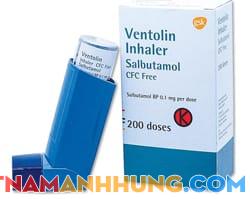
Buy Ventolin Online: Best Prices and Fast Delivery
Mastering Your Albuterol Inhaler Dosage
Using an inhaler is about more than just taking a quick puff before moving on with your afternoon. It is much like playing a delicate musical instrument; the timing and your technique are everything. If you rush through the process, you might end up blowing smoke into a void, wasting medicine that actually needs to reach your lungs.
Think of your albuterol as a key that unlocks your airways during a sudden emergency. When that chest tightness hits, you cannot afford to fumble around with a shaky hand. Being prepared means knowing exactly how many puffs to take and how long to hold your breath so the medicine actually sticks.
Many patients fall into the trap of thinking “more is better” when they feel short of breath. However, overusing a rescue inhaler can lead you down a slippery slope. If you find yourself reaching for it more than twice a week, it is time to have a serious chat with your doctor.
Consistency is the name of the game. Even when you feel like a champion with lungs of steel, following the prescribed schedule keeps surprises at bay. It is much better to prevent a flare-up than to play a frantic game of catch-up with sudden, heavy chest tightness.
The Rhythm of the Puff
First things first, shake that canister like you are mixing a cocktail. A vigorous shake ensures the medication and the propellant are properly blended. If you skip this step, you might get a mouthful of propellant and very little actual medicine to help you breathe.
Exhale fully away from the device before you take your first puff. You want to clear the stage so your lungs have plenty of room to receive the medicine. It is like clearing a path before a parade rolls through; you need that space to make the most of the delivery.
Once you press the canister, inhale slowly and deeply. Do not try to suck it in like you are drinking through a straw; instead, take a steady, controlled breath. This gentle suction helps the mist settle deep into the lower bronchioles rather than just hitting the back of your throat.
Hold your breath for about ten seconds. It feels like an eternity when you are struggling, but that pause is vital. It gives the particles time to settle. If you breathe out immediately, you are essentially throwing your money—and your breath—straight into the wind.
- Shake: 5 seconds of vigorous vertical motion.
- Exhale: A long, slow breath away from the mouthpiece.
- Inhale: A deep, steady draw of the medication.
- Hold: Ten seconds of stillness to ensure absorption.
Tracking Your Usage and Costs
Keep a little journal or use a phone app to track every time you reach for your Ventolin. This data is gold for your physician. It turns vague complaints like “I use it a lot” into concrete evidence that your current treatment plan might need a serious tune-up.
Cost is often a heavy shadow hanging over chronic care. Depending on your insurance coverage, a standard inhaler can range from $15 to $50. If you are paying out of pocket, it is wise to check local pharmacy prices to find the most economical way to stay medicated.
Below is a general breakdown of what you might encounter when managing your supplies in the current market. Keep in mind that these are estimates and your specific pharmacy might vary significantly.
| Item Type | Estimated Cost (USD) | Frequency |
| Generic Albuterol | $15 – $30 | Monthly |
| Brand Name Ventolin | $45 – $65 | Monthly |
| Spacer Device | $10 – $25 | As Needed |
If you notice your inhaler is running low, do not wait until the “empty” feeling hits. It is better to have a spare sitting in your drawer than to be caught mid-attack without a lifeline. Being proactive is the best way to keep your breathing steady and your stress levels low.
Ventolin Pricing and Cost Factors in USD
Navigating the financial side of respiratory care can feel like walking through a thick fog. You want to focus on your breathing, not on how much your bank account is shrinking every month. Understanding the price tags attached to your rescue medication is a vital part of staying ahead of asthma or COPD.
The cost of Ventolin is not a fixed number carved in stone. It fluctuates based on several moving parts, including your geographic location, the specific pharmacy you choose, and whether you are reaching for the brand name or a generic alternative. It is a bit like buying gas; prices change depending on where you pull up to the pump.
Insurance coverage is perhaps the most significant variable in the equation. For some, a monthly supply might cost only a small co-pay that barely makes a dent in their budget. For others, without the safety net of a good plan, the price of a single canister can feel like a heavy blow to the wallet.
Comparing Common Pharmacy Options
When you stand at the pharmacy counter, you are often faced with a choice between the familiar brand name and the budget-friendly generic. While they both contain albuterol, the experience and the price point can be worlds apart. It is important to discuss these differences with your pharmacist to ensure you are getting what you need.
Generic options are often the “bread and butter” for many patients living on a fixed income. They provide the same life-saving mechanism without the premium attached to the Ventolin label. However, some people find that the delivery mechanism of the generic feels slightly different, which is something to monitor closely during your first few uses.
Below is a quick comparison of common pricing structures you might encounter when shopping for your supplies. These figures are estimates designed to give you a general idea of the financial landscape in the current market.
| Option Type | Estimated Price | Quantity/Note |
|---|---|---|
| Generic Albuterol Inhaler | $15 – $35 | 18g Canister |
| Brand Name Ventolin | $45 – $75 | 18g Canister |
| Generic Metered Dose | $20 – $40 | Per Prescription |
| Brand Name Metered Dose | $50 – $90 | Per Prescription |
Do not be afraid to shop around or ask about discount programs. Many manufacturers offer coupons that can act as a lifeline if your insurance decides to play hardball. It is worth the extra few minutes of effort to see if you can shave a few dollars off your monthly medical bill.
Lastly, consider the cost of accessories like spacers. While they might seem like an extra expense, they actually save you money in the long run. By ensuring the medicine reaches your lungs effectively, you avoid wasting expensive medication that otherwise just ends up coating your mouth or floating away.
Navigating Online Pharmacy Purchases and Shipping
Clicking through endless tabs in search of a better deal can feel like trying to catch smoke with your bare hands. The internet offers a vast ocean of options, but not all digital storefronts are created equal. You might find a price that looks too good to be true, which often signals a massive red flag.
Safety should always be your North Star when browsing the web for respiratory medication. A legitimate online pharmacy will always require a valid prescription from a licensed healthcare provider. If a website offers to sell you Ventolin without any medical oversight, walk away immediately; they are likely selling counterfeit or dangerous goods.
Always look for the “VIPPS” seal or similar accreditation indicators that signal a pharmacy follows strict safety protocols. It is a bit like checking the credentials of a mechanic before handing over your car keys. You want to ensure that the medication arriving at your doorstep is authentic, potent, and handled with the utmost care.
Identifying Reputable Digital Retailers
When you are scouring the web, you will notice some sites look like professional medical institutions, while others look like they were built in a basement. A reputable pharmacy will have clear contact information, a physical address, and a transparent return policy. If they hide their “About Us” page, they are likely hiding something else too.
Check for reviews on independent third-party websites rather than just trusting the testimonials plastered on the company’s own homepage. Real users will tell you if the shipping was delayed or if the packaging arrived crushed. Think of these reviews as the “word of mouth” of the digital age, helping you avoid a total headache.
It is also wise to verify that the pharmacy is licensed in your specific state or region. Some international sites might offer incredibly low prices, but the customs office might hold your package hostage for weeks. You do not want to be left gasping for air while your life-saving inhaler is stuck in a shipping container halfway across the globe.
Keep a watchful eye on these specific indicators when evaluating a new online vendor:
- Secure Payment Gateways: Look for “https://” and the padlock icon in your browser bar.
- Pharmacist Consultation: Legitimate sites often provide a way to speak with a professional.
- Clear Pricing: Beware of “hidden fees” that only appear once you reach the final checkout screen.
- Shipping Transparency: They should provide a tracking number so you can monitor your package’s journey.
Shipping Logistics and Delivery Expectations
Once you hit that “order” button, the clock starts ticking. Shipping times can vary wildly depending on whether you chose standard ground or expedited delivery. If you are running low on your current supply, paying the extra $10 or $15 for overnight shipping is often worth every single penny for peace of mind.
Temperature control is a silent but critical factor in how your medication arrives. Albuterol can be sensitive to extreme heat or freezing temperatures, which might compromise its effectiveness. Ensure your chosen pharmacy uses appropriate packaging to protect the canisters from being tossed around in a hot delivery truck or left on a freezing porch.
When the box finally arrives, inspect it like a hawk. If the seal is broken or the canister looks dented, do not use it. It is better to deal with the hassle of a return than to rely on a faulty device during a sudden asthma flare-up. Always keep your receipts and tracking numbers tucked away until you’ve confirmed everything is perfect.
The following table outlines typical shipping scenarios you might encounter when ordering your supplies online:
| Shipping Method | Estimated Cost | Estimated Timeframe |
| Standard Ground | $0 – $5 | 5 – 10 Business Days |
| Expedited/Priority | $15 – $30 | 2 – 3 Business Days |
| Overnight Delivery | $40 – $60 | 1 Business Day |
Comparing Ventolin to Other Rescue Inhalers
Walking into a pharmacy can feel like stepping into a labyrinth of plastic canisters and confusing labels. You might see Ventolin sitting alongside several other brands that look remarkably similar. It is easy to assume they all do the exact same job, but there are subtle distinctions that matter when your chest feels tight.
Ventolin is essentially the “gold standard” name for albuterol sulfate. Think of it like a brand-name sedan versus a generic car. While the engine under the hood might be virtually identical, the way the delivery mechanism feels in your hand can vary significantly between manufacturers.
Some people find that certain brands of albuterol feel a bit “stiff” or harder to press, which can be a real nuisance during an emergency. If you are struggling for breath, you do not want to be fighting with a stubborn nozzle. You want something that works as smoothly as a well-oiled machine.
It is worth noting that most rescue inhalers on the market fall into the same category of “short-acting beta-agonists.” They are designed to open your airways quickly, acting like a rapid response team for your lungs. They are not meant for daily maintenance, but rather for those sudden, unexpected moments of distress.
The Generic vs. Brand-Name Debate
Many patients find themselves caught in a tug-of-war between the brand-name Ventolin and cheaper generic alternatives. The price gap can be quite startling when you look at your monthly pharmacy bill. Generic versions often cost significantly less, sometimes saving you $20 or $30 per month depending on your insurance coverage.
However, the “if it ain’t broke, don’t fix it” philosophy often applies here. Some users swear by the specific propellant used in Ventolin, claiming it delivers the medication more consistently than the generic counterparts. It is like choosing between a specific brand of coffee; the caffeine is the same, but the taste is different.
If you decide to switch to a generic, do so under the watchful eye of your doctor. You do not want to discover that a different brand does not hit the mark right when you need it most. Always keep a backup of your trusted brand if you are testing out a new, budget-friendly option.
Consider these factors when weighing your options:
- Actuation Speed: How quickly the mist is released upon pressing the canister.
- Dose Consistency: Whether every puff delivers the exact same amount of medicine.
- Cost Efficiency: The long-term savings of choosing generics over brand-name Ventolin.
- User Experience: How comfortable the inhaler feels during a high-stress breathing episode.
Comparing Different Delivery Methods
Not all rescue medications are delivered via a standard Metered Dose Inhaler (MDI). You might also encounter Dry Powder Inhalers (DPIs) or nebulizers. Each one has its own quirks and requirements. For instance, a DPI requires a deep, forceful breath to activate the powder, which can be tricky during a severe attack.
Ventolin is most commonly found as an MDI, which is the classic “press and breathe” style. This is generally the most portable and convenient option for people on the go. However, if you have coordination issues, you might find a nebulizer to be a much easier alternative for getting the medicine deep into your lungs.
The following table provides a quick comparison of the most common delivery methods used for rescue medications:
| Delivery Method | Best For | Common Cost Range |
| MDI (Standard Inhaler) | Portability & Ease | $15 – $45 |
| Dry Powder Inhaler (DPI) | High-Inspiration Users | $25 – $60 |
| Nebulizer Kit | Severe/Acute Attacks | $10 – $30 (per kit) |
Ultimately, the “best” inhaler is the one that your doctor has prescribed and that you can use effectively. Do not try to be a hero by experimenting with a different delivery method during a crisis. Stick to the plan that has been tailored specifically to your unique respiratory needs.
Critical Usage Scenarios and Timing
The Emergency Response Window
When your chest feels like a heavy weight is sitting on it, every second counts. This is the “red alert” moment where Ventolin steps onto the stage. It acts as your immediate lifeline, working to relax the muscles around your airways almost instantly. You should not wait for the struggle to become unbearable before reaching for it.
Think of it as a fire extinguisher in a kitchen. You do not wait for the entire house to go up in flames before you decide to use it. If you feel that familiar tightness or hear a whistling sound in your chest, that is your body’s way of pulling the emergency brake. Use the device as directed by your doctor immediately.
It is vital to recognize the difference between a mild annoyance and a true crisis. If your breathing does not improve after using the inhaler, or if you find yourself gasping for air even while sitting still, you are in uncharted territory. In these dire moments, do not just sit there waiting for the medicine to kick in; call for help.
Timing can be the thin line between a controlled situation and a trip to the ER. Some people mistakenly believe they can “save up” their puffs for later. This is a dangerous gamble. Using the medication precisely when the first signs of wheezing appear can prevent a much larger, more terrifying respiratory episode later on.
Pre-Activity and Preventative Timing
For many, asthma is not a constant shadow but a seasonal storm. If you are an athlete, exercise might be the trigger that sets off your symptoms. In these specific scenarios, your doctor might suggest using your inhaler about fifteen to thirty minutes before you start your workout. It is like warming up an engine before a long haul.
This proactive approach can stop a flare-up before it even has a chance to start. By priming your lungs, you create a buffer against the sudden physiological stress of heavy breathing. It is not about treating an attack that is already happening, but rather building a protective wall against the coming exertion or environmental triggers.
However, not everyone needs this “pre-game” ritual. Using a rescue inhaler too often for non-emergency reasons can actually lead to a tolerance issue. If you find yourself needing it before every single walk or light jog, your maintenance medication might be failing you. It is a sign that your baseline asthma control needs a professional tune-up.
Keep a close eye on how often you are reaching for the canister during your daily routine. If your usage pattern changes significantly, do not just buy another one at the pharmacy. Instead, schedule an appointment to discuss whether your long-term management strategy needs an overhaul to keep you running smoothly.
Recognizing Environmental Triggers
The world is full of invisible enemies that love to trigger a sudden bout of wheezing. Pollen, pet dander, or even the sharp sting of cold air can send your airways into a defensive spasm. Knowing your personal “enemies” allows you to time your medication use with much higher precision and confidence.
For instance, if you know that heavy dust or strong perfumes always make you sputter, keep your Ventolin in your purse or pocket when entering those environments. It is better to have it and not need it than to be caught off guard in a crowded, perfume-heavy room. Being prepared is half the battle in managing asthma.
Weather changes can also play a massive role in how you time your doses. A sudden drop in temperature or a spike in humidity can be a major catalyst for tightness. If you see a storm rolling in or a cold front approaching, be extra vigilant about your breathing patterns and keep your inhaler within arm’s reach.
Understanding these patterns turns you from a passive observer into an active manager of your health. You become the captain of your own respiratory ship, navigating through the fog of environmental triggers with a reliable tool in your hand. Knowledge is power, but only if you use it to stay ahead of the curve.
Managing Side Effects and Safety Precautions
Navigating Common Physiological Responses
When you take a puff, your body might react with a sudden, jittery sensation. It is quite common to feel your heart racing or your hands trembling slightly after use. Think of it like a sudden surge of adrenaline during a scary movie; it is a temporary physiological spike that usually settles down quite quickly.
Some users might experience a mild headache or a sense of nervousness. While these sensations can feel unsettling, they are generally considered minor side effects of the medication. If you feel like your heart is performing a drum solo in your chest, try to remain calm and focus on steady, controlled breathing exercises.
It is important to distinguish between a minor tremor and a genuine cardiovascular concern. If the racing sensation does not subside or if you feel chest pain, you should contact a medical professional immediately. Do not simply “tough it out” if the feeling is intense, as your body is communicating something significant about your reaction.
Maintaining a log of these occurrences can be incredibly helpful for your next doctor’s visit. Note the time, the dosage used, and exactly how long the tremors lasted. This data turns guesswork into a clear map, allowing your physician to adjust your treatment plan with surgical precision and confidence.
Potential Interactions and Contraindications
Medication does not exist in a vacuum; it interacts with everything else in your system. You must be careful about combining Ventolin with certain other drugs, such as beta-blockers used for blood pressure. It is like two different drivers trying to steer the same car in opposite directions, causing total chaos.
Always inform your healthcare provider about any supplements or over-the-counter remedies you take regularly. Even things like herbal teas or certain vitamins can occasionally interfere with how your body processes the medication. Being an open book with your doctor is the best way to avoid accidental, dangerous chemical collisions.
If you have underlying conditions like high blood pressure or certain heart arrhythmias, you must tread carefully. The stimulating nature of the medication can occasionally exacerbate these issues. It is vital to have a clear conversation with your cardiologist to ensure your asthma management does not compromise your cardiovascular health.
We recommend keeping a list of all your current medications in your wallet or on your phone. If you ever find yourself in an emergency situation, this list is a lifeline for paramedics. It removes the guesswork during high-stress moments, ensuring they provide the most appropriate care for your specific medical profile.
Monitoring Usage and Cost Management
Over-reliance on your rescue inhaler is a red flag that should never be ignored. If you find yourself using it more than twice a week for symptom relief, your asthma may not be well-controlled. It is a sign that you might need to bolster your daily preventative regimen instead.
Managing the cost of your prescriptions is another practical aspect of long-term care. Depending on your insurance coverage and pharmacy, a standard inhaler might cost anywhere from $20 to over $100. Keeping track of these expenses helps you budget for your essential healthcare needs throughout the year.
To avoid unexpected expenses, consider using generic alternatives if your doctor approves. Many pharmacies offer various pricing tiers for similar medications. Always ask your pharmacist, “Is there a more cost-effective way to get this dose?” They are often the best allies in navigating the complex landscape of medication pricing.
Below is a general guide to help you understand the potential landscape of costs and common side effects you might encounter:
| Potential Side Effect | Typical Duration | Action Required |
| Tremors/Shakiness | Short-term (minutes) | Rest and monitor |
| Increased Heart Rate | Short-term (minutes) | Relax and monitor |
| Pulsating Headache | Transient | Consult doctor if persistent |