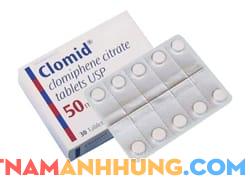
Buy Clomid Online for Fast Shipping and Best Prices
How Clomid Works Within Your Hormonal Cycle
Think of your endocrine system as a finely tuned orchestra. Usually, the conductor—the hypothalamus—senses when estrogen levels dip and signals the pituitary gland to pick up the pace. This rhythm keeps your cycle moving smoothly. Sometimes, however, the music skips a beat. Signals become muffled or lost in the noise of a hormonal imbalance.
Clomid, or clomiphene citrate, acts like a clever trickster in this biological symphony. It doesn’t actually produce hormones. Instead, it tricks your brain into believing it is in a state of constant estrogen deficiency. It is a bit like a counterfeit signal that creates a sense of urgency, forcing your body to react to a perceived shortage.
When the medication enters your bloodstream, it binds to estrogen receptors in the hypothalamus. This prevents your natural estrogen from telling the brain that “enough is enough.” Because the brain thinks estrogen is low, it starts shouting louder. It is a biological game of bluffing that eventually yields real results.
This “bluff” triggers the release of Gonadotropin-Releasing Hormone (GnRH). Think of GnRH as the first domino in a long line of falling pieces. Once that first piece tips, the pituitary gland responds by pumping out two vital messengers: Follicle-Stimulating Hormone (FSH) and Luteinizing Hormone (LH). These are the real heavy lifters of the cycle.
The Domino Effect of FSH and LH
FSH is essentially the recruiter for your ovaries. Its primary job is to encourage the growth of ovarian follicles, which are the small, fluid-filled sacs containing eggs. Without enough FSH, the ovaries might sit idle, like an engine idling in a driveway without ever shifting into gear to move the car forward.
Once a follicle is selected and begins to mature, LH steps in to play its starring role. LH is the signal that triggers ovulation, the actual release of the egg from the follicle. If FSH is the recruiter, LH is the commander that gives the order to execute the mission. Without this precise timing, conception becomes a much steeper mountain to climb.
The interplay between these hormones follows a strict, almost poetic, sequence. It is not a sudden burst of energy but a carefully choreographed dance. When Clomid is used, the goal is to artificially amplify this natural surge, ensuring that the ovaries receive a loud, clear, and unmistakable command to produce an egg.
To visualize how these levels shift during a typical treatment cycle, consider the following comparison of hormone roles:
| Hormone Type | Primary Role | Clomid’s Impact |
| FSH (Follicle-Stimulating) | Follicle maturation and egg growth | Increases production to stimulate ovaries |
| LH (Luteinizing) | Triggers the release of the egg | Boosts levels to encourage ovulation |
| Estrogen | Regulates the feedback loop | Blocked temporarily to trigger hormone release |
Managing the Feedback Loop
Clomid is a selective estrogen receptor modulator (SERM). This means it is selective about where it works. While it blocks estrogen in the brain to stimulate hormone production, it doesn’t necessarily block it everywhere in the body. It is a surgical strike rather than a carpet bombing of your entire system.
Because the medication works by manipulating the feedback loop, your body’s natural rhythms are effectively hijacked for a specific purpose. This is why timing is everything. Doctors often monitor your levels closely. Too much stimulation can lead to multiple follicles developing at once, which can lead to complications like high-risk multiple pregnancies.
Patients often describe the sensation of this hormonal shift as a rollercoaster. One moment, you might feel a surge of energy, and the next, you might feel the physical toll of a body working overtime. It is a significant physiological undertaking that requires patience, precision, and a very steady hand from your medical team.
- Hypothalamus: The brain’s control center that senses hormone levels.
- Pituitary Gland: The messenger that releases FSH and LH.
- Ovaries: The target organ where follicles grow and eggs mature.
- Follicles: The structures that house the developing egg.
Standard Clomid Dosage Protocols and Timing
Navigating the Cycle Schedule
Timing is the heartbeat of fertility treatment. It is the difference between a well-timed symphony and a chaotic noise. Most clinicians follow a specific window, typically starting on the second, third, or fifth day of your menstrual cycle. This ensures the medication hits your system just as your body is naturally preparing to bloom.
Once you begin, the medication is usually taken for five days straight. It is not a “take it when you feel like it” kind of deal. Missing a dose is like losing your place in a complex book; the narrative of your cycle can easily lose its rhythm. Consistency is the golden rule here.
After those initial five days, the ball is passed back to your ovaries. You wait for the magic to happen, which usually takes about a week or two. During this quiet intermission, your body is busy following the instructions sent by the Clomid-induced hormone surge. It is a period of intense, invisible work.
Some doctors might suggest a second round if the first doesn’t yield results. However, this is a delicate dance. Pushing too hard, too fast, can lead to overstimulation. Think of it like revving an engine; you want enough power to move, but you don’t want to blow a gasket in the process.
Dosage Variations and Financial Planning
Not every body responds to the same rhythm. Some women find success with a modest amount, while others require a more robust dose to get the gears turning. Your doctor will tailor the milligrams to your specific hormonal landscape, aiming for that “Goldilocks” zone—not too little, not too much.
Because treatment cycles can span several months, the costs can add up like sand in an hourglass. It is wise to look at the different ways you might acquire your prescription. Depending on your pharmacy and your insurance, the price per cycle can vary significantly from one provider to the next.
Below is a comparison of estimated costs for common ways to obtain a standard monthly supply of the medication:
| Procurement Method | Estimated Monthly Cost | Typical Terms |
|---|---|---|
| Standard Retail Pharmacy | $45 | Requires active prescription |
| Insurance Co-pay Plan | $15 | Subject to specific coverage |
| Mail-Order Service | $30 | Bulk savings on 3-month supply |
| Generic Direct Program | $25 | No insurance required |
When weighing these options, remember that the cheapest route isn’t always the easiest. A retail pharmacy might be more expensive, but you can walk in and grab your pills immediately. A mail-order service might save you a few bucks, but you’ll be playing the waiting game with the postal service.
Monitoring the Results
You won’t just take the pills and hope for the best. Your medical team will likely use ultrasound scans to watch the follicles grow in real-time. It’s like watching a garden through a microscope; you want to see those sacs swelling and preparing to release their precious cargo.
Blood tests are the other half of the equation. Doctors will check your estrogen and progesterone levels to ensure the “bluff” is working. If the levels are too high, they might scale back the dose. If they are too low, they might decide to up the ante in the next cycle.
It can feel like a lot of moving parts to keep track of. Between the appointments, the scans, and the daily pill-taking, it’s a full-time job. However, each step is a data point that brings you closer to understanding how your body responds to the chemical nudge.
Keep a detailed log of your symptoms and any side effects you notice. While some people feel like they’ve been hit by a freight train of emotions, others feel almost nothing at all. There is no “standard” way to feel, and your personal experience is a vital piece of the puzzle.